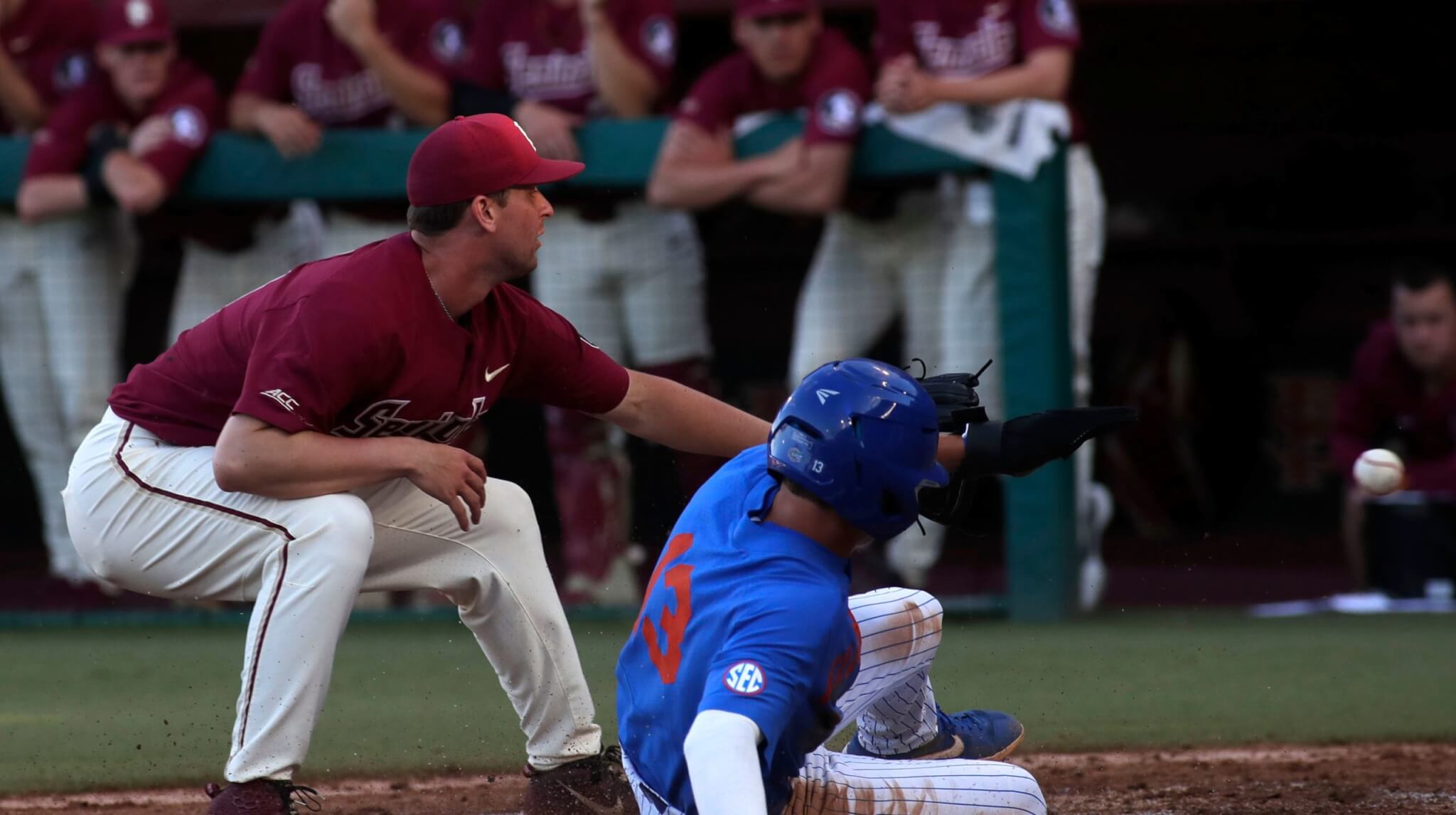
The Legacy and the Challenge: A New Era for FSU Baseball
Few collegiate athletic programs boast a legacy as storied and deeply ingrained as FSU Baseball. For over four decades, the iconic leadership of Mike Martin Sr. shaped the program, culminating in numerous College World Series appearances and an enduring tradition of excellence. The transition to Mike Martin Jr. in 2020 marked a pivotal moment, ushering in a new era with immense expectations. As any competitive team knows, sustained success isn't just about talent; it's about meticulous refinement, addressing underlying issues, and constantly evolving.
While the Seminoles have consistently been a formidable force, certain recurring challenges have historically prevented them from reaching the ultimate pinnacle. These issues, often subtle yet impactful, can be the difference between a deep postseason run and an early exit. This article will delve into some of the key offensive and defensive weaknesses that FSU Baseball has faced, drawing insights from past observations while contrasting them with recent performances that suggest a positive shift in trajectory.
Historical Hurdles: Unpacking Past Defensive Lapses and Baserunning Woes
To truly appreciate the current state and future potential of FSU Baseball, it's essential to understand the historical context of areas needing improvement. Looking back at the 2020 season, several critical aspects of play were identified as persistent weaknesses, particularly in fielding, capitalizing on scoring opportunities, and aggressive baserunning. These "little things," as noted by many pundits, often define a team's ceiling.
Fielding Frustrations: The Defensive Dilemma
For any pitcher, a strong defense behind them is non-negotiable. However, in recent years leading up to the 2020 season, FSU Baseball struggled significantly with fielding. The team's fielding percentage of .964 in 2019 was not only concerning but also worse than the previous year. This translated to a staggering 84 errors throughout the season, with a disproportionate number originating from critical positions like third base and shortstop.
The impact of defensive miscues extends far beyond individual statistics. Errors grant opposing teams extra outs, extending innings, inflating pitch counts, and often leading to unearned runs that can deflate a team's momentum. Against tough competition, giving away free bases or outs is a luxury no team can afford. Improving defensive fundamentals, mental focus under pressure, and precise execution across the infield and outfield were, and remain, crucial for the Seminoles.
Leaving Runs on the Table: The LOB Conundrum
Offensive prowess isn't solely measured by batting average or home runs; it's also about efficiency and situational hitting. One of the most glaring offensive weaknesses observed in FSU Baseball in previous seasons was the alarming number of runners left on base (LOB). In the 2019 season, the Seminoles left a staggering 576 runners stranded, compared to just 500 by their opponents. This averages out to nearly nine runners left on base per game, or almost one per inning.
Leaving so many potential runs on the table is a clear indicator of missed opportunities. It suggests a challenge in driving runners in from scoring position, struggling with two-out hits, or a lack of clutch situational hitting. While the team demonstrated an ability to get on base with a respectable .392 on-base percentage, converting those baserunners into actual runs was a consistent hurdle. This issue often highlighted a need for improved plate discipline in crucial moments, a better two-strike approach, and a more focused effort on advancing runners by any means necessary.
Passive on the Paths: The Baserunning Question
Complementing the issue of runners left on base was a perceived lack of aggressiveness on the basepaths. Despite the team's ability to get players on base, FSU Baseball only attempted 64 steals all season in 2019, even with a solid 73% success rate. This relatively low number of attempts suggests a cautious approach that might have limited their offensive potential.
Aggressive baserunning isn't just about stealing bases; it's about creating havoc, forcing defensive errors, taking extra bases on hits, and putting pressure on the opposing pitcher and catcher. By being more assertive, a team can generate runs without needing to rely solely on hitting the ball out of the park. Sometimes, trading a sacrifice bunt for a more dynamic approach that puts runners in better scoring positions through calculated risks can be far more effective. For a deeper dive into these strategic adjustments, explore FSU Baseball's Strategic Shift: Improving Fielding and Basepaths.
A Glimmer of Hope? Recent Successes and Strategic Shifts
While the aforementioned weaknesses presented significant challenges, the narrative of FSU Baseball is one of continuous evolution. Recent performances under Mike Martin Jr. suggest a concerted effort to address these areas, leading to promising results.
Offensive Resurgence: The Tibbs Effect and Quality At-Bats
Fast forward to more recent seasons, and a different offensive picture begins to emerge. In early 2023, for instance, the Seminoles showcased a dominant 7-0 start, including a commanding performance against South Florida that was described as "a great game in all phases." This success was underpinned by a significant improvement in offensive execution, highlighted by "quality at-bats" throughout the lineup.
A major catalyst for this offensive resurgence has been the exceptional play of individuals like Jamie Tibbs III. A three-year starter, Tibbs has displayed remarkable growth and maturity at the plate. His hot start, featuring multiple home runs in a single game (including a two-run shot and a solo homer), illustrates a newfound power and an "advanced" understanding of the game. Batting .370 (10-for-27) with seven RBIs in just seven games, Tibbs's performance far surpassed his stats from the previous season (8-of-22 with one home run and .308 average at a similar point). His ability to adjust and consistently deliver in clutch situations directly counters the historical LOB issue. This offensive firepower, coupled with contributions from players like Cam Smith (who also hit his first home run of the year in the same game), indicates a more dynamic and effective approach to run production. For more details on this standout performance, read Jamie Tibbs III's Hot Start Powers Undefeated FSU Baseball.
Defensive Reinforcements: Turning the Corner?
Encouragingly, recent reports also indicate significant strides on the defensive side. The "proud of the pitching and defense" sentiment following the commanding victory against South Florida is a direct contrast to the defensive struggles observed in 2019. While a single game doesn't erase historical trends, it signifies a focused effort and a potential turning point. Improved fielding percentages, fewer errors, and a more cohesive defensive unit are crucial for supporting the pitching staff and maintaining momentum throughout tough schedules.
Strategies for Sustained Success: Building on Strengths, Mitigating Weaknesses
The journey of any elite collegiate program involves continuous self-assessment and strategic adaptation. For FSU Baseball, building on their recent successes while maintaining vigilance against past weaknesses will be key. Practical strategies include:
- Intensive Defensive Drills: Consistent repetition of fundamental fielding techniques, situational drills, and communication exercises can reduce errors and build confidence. Focusing on critical positions like third base and shortstop with specialized coaching can yield significant returns.
- Situational Hitting Emphasis: Dedicated practice on hitting with runners in scoring position, driving in runs with less than two outs, and understanding pitch selection in high-leverage situations can drastically reduce LOB numbers.
- Aggressive Baserunning Philosophy: Coaches can instill a culture of calculated aggression on the basepaths, encouraging players to take extra bases, steal when appropriate, and constantly put pressure on the opposing defense. This requires detailed scouting of pitchers and catchers and intelligent decision-making by runners.
- Mental Conditioning: Baseball is as much a mental game as it is physical. Training players to stay composed under pressure, overcome past mistakes, and maintain focus during long seasons is vital for consistent performance in all phases.
Conclusion: The Path Ahead for FSU Baseball
FSU Baseball operates within a highly competitive landscape, where every aspect of play contributes to overall success. While past seasons revealed persistent weaknesses in fielding, runners left on base, and baserunning aggressiveness, the recent performances demonstrate a program actively working to address these issues. The offensive surge led by talents like Jamie Tibbs III, coupled with praised improvements in pitching and defense, paints a picture of a team that is adapting and evolving.
Under Mike Martin Jr., the Seminoles are striving to not just maintain the legacy but to elevate it. The true measure of their success will lie in their ability to consistently execute in all phases of the game, turning historical hurdles into stepping stones towards a College World Series championship. The path ahead requires continued dedication to fundamentals, strategic adjustments, and a relentless pursuit of excellence on every pitch, every at-bat, and every defensive play.